In 1987, Good Neighbor Village began not with a building, but with a question shared by three loving mothers of children with intellectual disabilities: What will happen when they can no longer care for their children?
Determined to create an answer, they sought to establish a place where adults with intellectual disabilities could live safely in community with others, while striking a balance of structure and independence.
Nearly four decades later, their deeply personal vision has grown into a 43-acre residential community in Varina, a suburb of Richmond. What began as a solution for their families is now a longstanding nonprofit dedicated to helping adults with mild to moderate intellectual disabilities thrive.
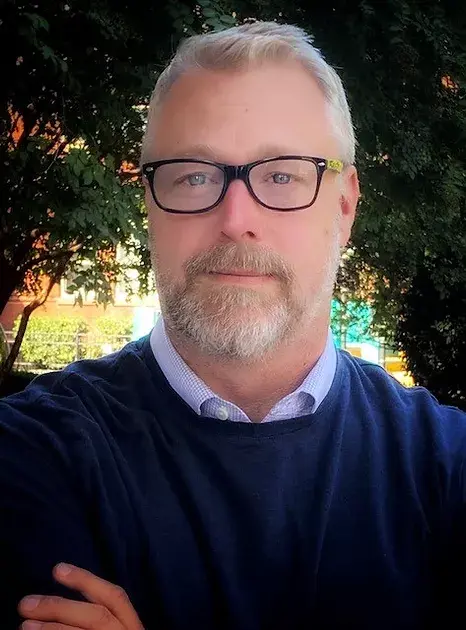
We sat down with Executive Director Ryan Corrigan to discuss Good Neighbor Village’s journey, its impact on residents and their families and the work being done to ensure support continues for generations to come.
How would you describe the core mission of Good Neighbor Village?
Our purpose is to create a safe environment for people with intellectual disabilities to thrive independently. What that means to us is beyond just existing but living a life fully realized.
Why is this community-based living structure important for adults with intellectual disabilities?
Because I think it’s important for people. Period.
I think historically people with intellectual disabilities have been in places where they were put to the side and not necessarily treated as part of the community, and that has left an unnecessary stigma around what it means to live with an intellectual disability.
How does Good Neighbor Village promote independence for residents?
While we are scheduled, we are not so tightly scheduled that we’re directing your 30-minute window to eat. The morning starts with them doing their normal morning routines – just as you and I would – getting their own breakfast, interacting with whomever they choose to interact with. The same thing with lunch.
The only communal meal we provide is dinner. We also have partnered with organizations like the Virginia Down Syndrome Association and Jacob’s Chance to do things like an independent cooking class here. We’re getting ready to build a raised garden out back where we can actually grow our own vegetables.
Around 33% of our residents have jobs they go to at least a couple of times a week, so there’s that and the flexibility to create their own schedule, outside of a few things we have fixed for them.
Why is it important to invest in inclusive communities?
Communities like this, number one, need to be more accessible. In many cases, caregivers, parents and siblings who have a family member or loved one with an intellectual disability experience similar concerns that all moms and dads have when it comes to where their child is going after college.
“What will happen to them when I’m gone?”
It’s important to fully empathize with that concern and live by the values that a state, country or even the world at large is judged by – which often is how well it takes care of its children, elderly and disadvantaged. When we do that right, we fulfill a very core need for the community while integrating our fellow human beings into the world in a meaningful way.
What’s the best way for people to support Good Neighbor Village?
Come out and be a part of the community, either by volunteering or bringing whatever skill sets you have! The opportunity to sit down and treat another human being as though they matter is a crucial social interaction. Whenever anyone meets a new face, you are heightened, you are elevated. That’s no different than anyone here.
And of course, I’d be remiss if I didn’t mention donations. There is a critical gap in funding that happens here. We do everything in our power to make sure that $2,700 per month covers not only a place to lay their head down, but also the food they eat, the 24/7 care and guardianship. Other communities around the state can average around $4,600.
Fundraising is necessary to close the gap between what the real costs are and how we can keep it affordable for families. We understand that $32,400 a year is a lot, but peace of mind is priceless.
For more information and ways to get involved, visit the Good Neighbor Village website.