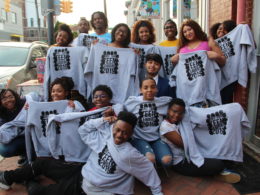
Adagio House is on a mission to provide individuals with disabilities and their families with a place to feel safe, supported and connected. The Harrisonburg nonprofit provides high-quality care, social activities and community resources to all, regardless of financial background.
We spoke with Founder and Executive Director April Hepler as well as Development Coordinator Bill Howard about their work, the unique challenges their community faces and how they strive to create a space where everyone belongs.
What inspired the creation of Adagio House and how has that vision evolved over time?
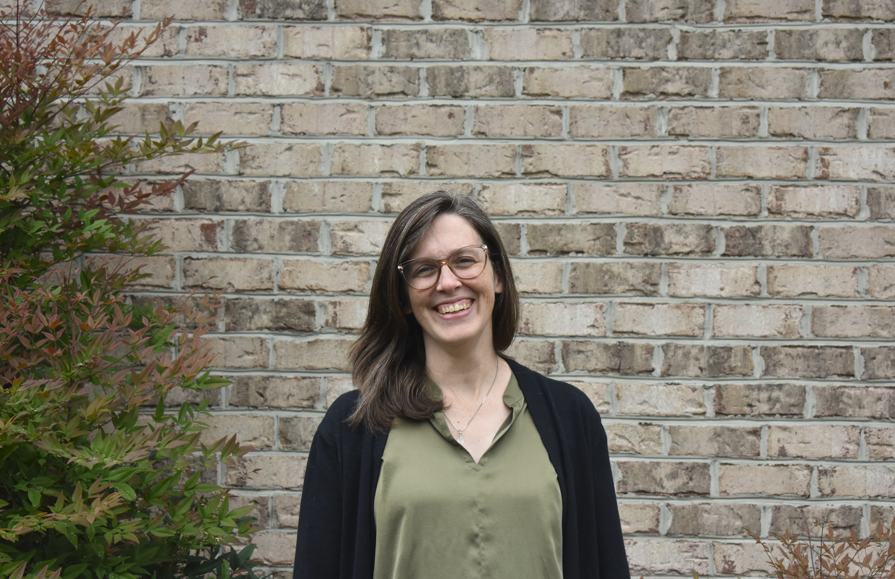
April Hepler, executive director and founder of Adagio House
Hepler: I have a 20-year-old son with multiple disabilities. Early in his life, it felt very isolating because I knew something was wrong, but no one believed me. I wanted to create a safe space where people could let their guard down, breathe and be who they are without worrying about judgement or being excluded. As a licensed professional counselor, I started with psychotherapy and respite. That gave caregivers the chance to receive professional counseling services while another therapist cared for their loved one. Since then, we have expanded into executive function coaching and licensed adult day support.
What are some of the biggest challenges that adults with disabilities and their families face?
Hepler: One of the biggest challenges is the lack of services. There is a very long waitlist for the Medicaid waiver for people with intellectual and developmental disabilities in Virginia, which makes it hard to access necessary support. Even after someone gets a waiver, it can be difficult to find providers who will accept waiver funding.
What events and services does Adagio House offer and how do they help build independence, confidence and community?
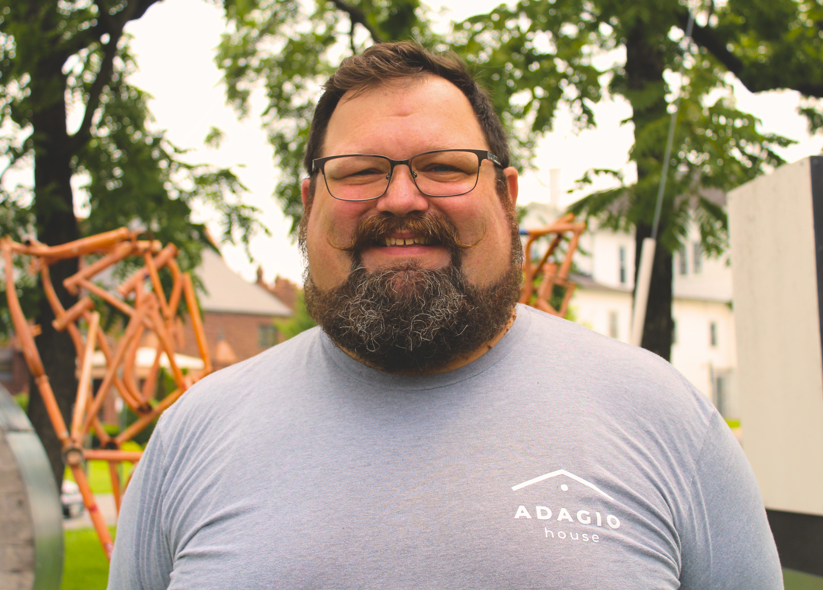
Howard: Adagio House offers many different programs and events focused on community outreach, including game night and our upcoming “Great Valley Baking Challenge.” These events allow us to focus on community and connection, not just fundraising.
Hepler: By building community around participants, we help create more resources and independence. In our day support, psychotherapy and executive function coaching, we take the time to think through each individual’s needs and develop goals and plans together to support them.
Are there any moments or stories that have reaffirmed this work for you?
Hepler: One story is about a boy with disabilities who had just turned 22 and aged out of special education. His mother had to leave her job because there wasn’t anywhere he felt comfortable staying for the entire day. He joined our day support program, and it has worked wonderfully for him. His mother was able to return to work, and he has been able to reliably stay with us throughout the day.
Another recent story is a young woman who was diagnosed with autism for the first time as an adult. She came into our psychotherapy program, and the way that changed her world was amazing. It changed what she could understand about herself, how she moves through the world and the support she can use to thrive. It’s life changing.
What hopes, plans or goals are you excited about for the future of Adagio House?
Hepler: When I started Adagio House, I had this idea that someday we would grow into a full-service inn and retreat center for caregivers. By full service, I mean everything: overnight respite to give caregivers a night off, tai chi, massages, yoga and a farm-to-table restaurant where individuals can have meaningful employment. And then I want to replicate it in other places. I don’t know if I will be able to duplicate this within my lifetime, but I feel like if you don’t dream big, it’s never going to happen. If I dream big and think about what I hope for, then the possibility remains open.
What are the best ways for people to get involved?
Howard: The best way to find information about how to get involved is on our website. There are many different levels of volunteers needed, and we can always find a place for volunteers to help. You can also send me an email at bill@adagiohouse.org to discuss partnerships, sponsorships, events and other opportunities. And of course, for day-to-day updates, check out our social media.
For more information about how to get involved, visit the Adagio House website.