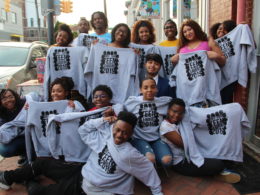
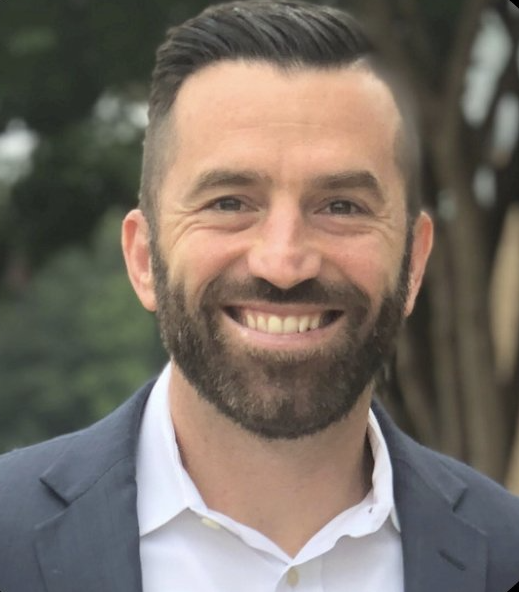
While working in law enforcement, David Crisafi recognized a problem: Young boys growing up without fathers or male role models faced higher rates of incarceration or other tragic outcomes. Founded in Richmond in 2021, L.A.U.N.C.H for Life provides a space for positive group mentorship where boys can build relationships with male role models, learn new skills and just be kids.
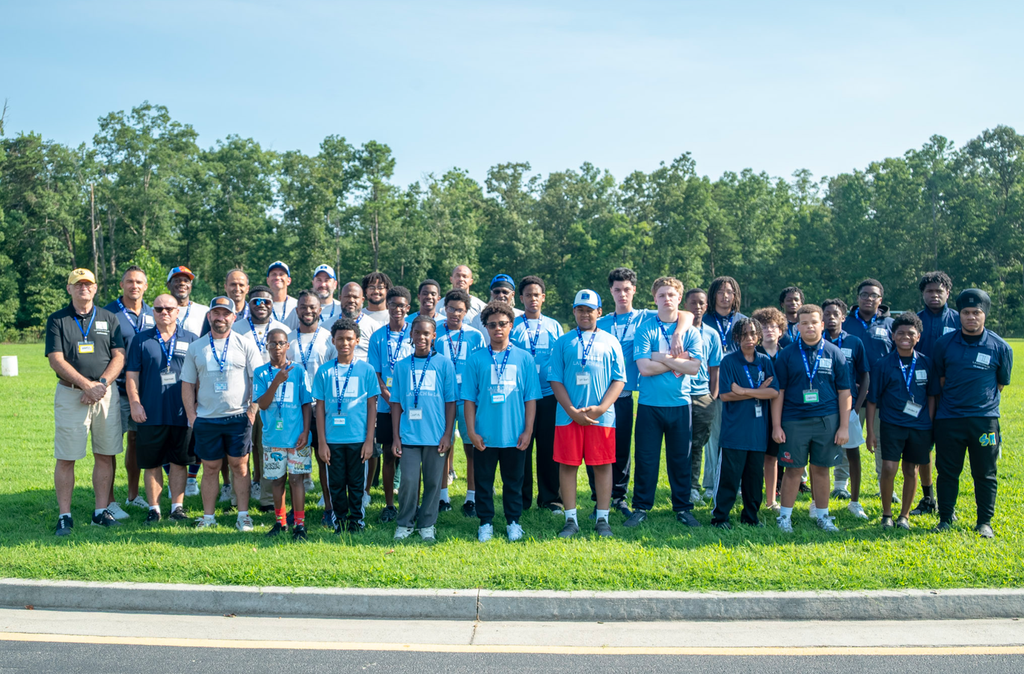
Five years later, Crisafi and other volunteers “launched” their fifth cohort of more than 40 boys, kicking off a new year of programming with events such as a three-day summer camp, visits to local businesses and much more.
In your own words, what is the core mission of L.A.U.N.C.H?
To empower young men living in fatherless homes to see who they are, accept who they are and grow with values that will allow them to succeed in the future, both personally and professionally. A big part is to teach them that it’s OK to get help, be vulnerable and lean on people.
Why is it important for your organization to partner with detention centers?
Having been in detention myself at age 13, I knew that a program like this could be beneficial. When boys are placed in a detention center, they’re often removed from their negative environment and begin to normalize and improve their behavior. Once they’re out, they’re thrown right back into old habits, and they wind up in trouble – the cycle begins again.
By supporting these young men through the transition from inside to outside, our mentors provide the guidance and support to help them break free of that cycle.
What is a common misconception about mentoring and working with these young men?
When you’re mentoring, there’s no magic thing that you have to offer them. It’s often simply your presence and your ability to show up, particularly with these boys who only have experience with men who make unfulfilled promises. There’s also a fear that there won’t be any relatability to the boys who we serve. But the reality is across all cultural, ethnic, racial and socioeconomic divides, fatherless homes have the same impact – whether you’re a wealthy White child from Midlothian or an underprivileged child from the city of Richmond. Being someone they can look up to, no matter what your background, is life changing.
“You can’t be what you can’t see.”
Quote from Marian Wright Edelman, children’s rights activist, that inspires L.A.U.N.C.H for Life’s work
If $100,000 fell out of the sky for you to use for L.A.U.N.C.H, what would you do with it?
Because we’re limited to only eight hours per month with the boys, the dream would be to get them out of their negative environments more often. As part of our 10-year plan, we hope to open a facility where we can operate an after-school and full-time summer program to further increase the amount of time the boys get to spend in the positive environment our mentors help create. We hope to offer free counseling, free travel and free social services – to be a 360-degree support system for these boys and their families.
Where do you see L.A.U.N.C.H in the next five years?
Our organization is built for a full-circle journey. Mentees, once they turn 20 years old, are invited back as mentors. Who better to provide guidance than the men who have been through our program? We had our first full-circle moment this year, with a mentee-turned-mentor returning after graduating high school and beginning the nursing program at Virginia Commonwealth University. In five years, we hope to have more mentees return to make their own impact.
What has been the biggest challenge for the organization?
To make change in your community, there’s got to be sacrifice, and part of that sacrifice is sometimes time, money or family. While sacrifice is difficult and uncomfortable, it’s also necessary.
In our society, it’s believed that focus on boys and men means a lack of focus on girls and women, but it’s quite the opposite. When we create an environment where we foster good men, that, in turn, benefits women. We try to drive home the importance of the mothers and women involved in our boys’ lives. We want to make sure we are building strong men, brave men and good men with values, morals and principles so that they can foster that environment for women as well.
For any future mentors in the program, what advice would you give them?
Don’t overcomplicate it. Presence is everything. It doesn’t take a lot of time; it just takes consistency.
For more information, visit the L.A.U.N.C.H for Life website.