Many people don’t realize what goes into running a nonprofit. They see the fundraising events, impact statistics and leaders driving change — but not the late nights spent managing budgets, reconciling accounts or ensuring every dollar is stewarded responsibly. Behind every mission is a complex operational reality, and for many founders, the business side is something they must learn quickly or entrust to experienced partners.
That’s where Trustward comes in.
Founded in 2010, the Richmond-based accounting firm helps mission-driven organizations gain financial clarity and confidence. Its team of CPAs, nonprofit veterans and financial professionals provides specialized support at discounted nonprofit and association rates, so organizations can strengthen their financial footing without stretching limited resources.
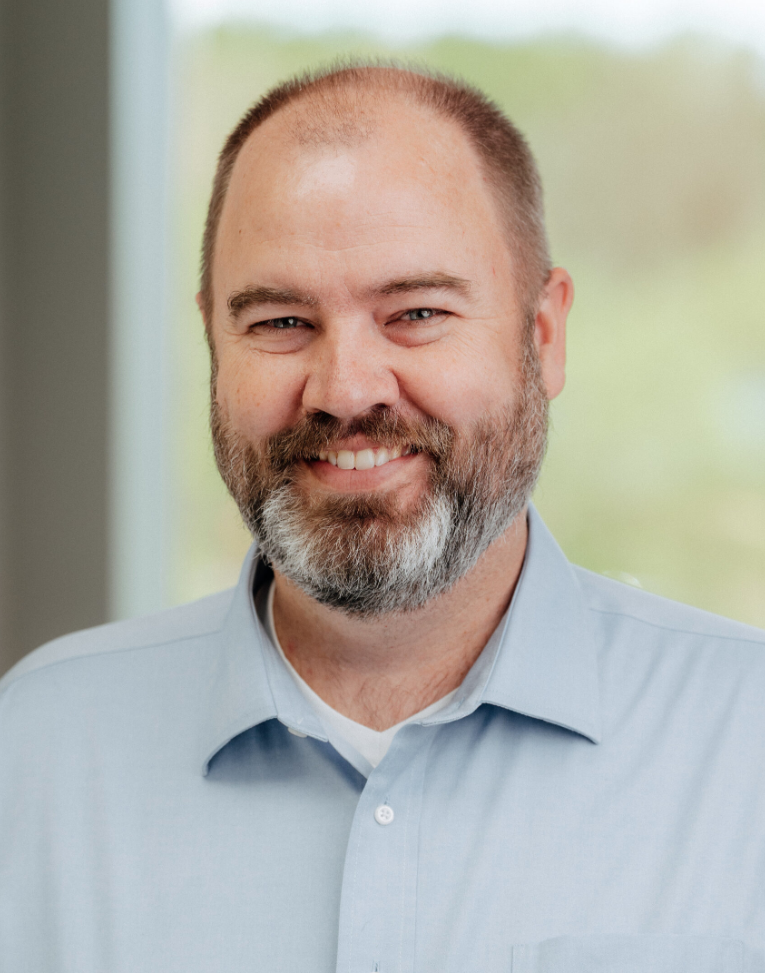
We sat down with Stephen Weir, CEO and owner of Trustward, to discuss why he started the firm, common challenges nonprofits face and why running a nonprofit can be more complex than running a traditional business.
What inspired you to start Trustward? Is there a story behind the name?
I ran a nonprofit for five years, and when I arrived there, I realized a lack of financial clarity was holding the organization back. We couldn’t make concrete plans because the financial situation was ambiguous. Eventually, we were able to create financial clarity, which quickly led to better and more sustainable programming. After I left, I decided to try to help other organizations find financial stability.
I didn’t want my name to be tied to the firm, and Trustward combined our core values: Building Trust and Client Succeeding. The “ward” part can be either upward or forward, which represents our clients succeeding.
Trustward combined our core values: Building Trust and Client Succeeding.
What services do you offer local nonprofit organizations?
We can be your full accounting and finance department. We can manage your books, work with your auditor, run payroll, pay bills and keep the day-to-day running. We can also do “Fractional CFO” work, which includes interpreting your financial situation for your context, building budgets, attending and presenting at board meetings and anything else financial you may need.
What are common themes you see across your nonprofit clients?
So many nonprofits do so many different and difficult things, it’s hard to come up with one theme that fits everyone. However, one thing I do see often is focusing on small financial things that feel achievable (like saving $20/month on a software subscription), instead of making bigger decisions that will drive the mission forward but are harder – like making a grant better or tapping into a reserve fund to improve facilities.
Nonprofits we work with usually just want accounting to be solid, so they can work on their mission more.
What advice do you have for Virginia nonprofits when it comes to balancing their books?
Keep them up to date as much as possible, a little bit at a time. Getting behind on your accounting unfortunately leads to bad outcomes. Being on top of things will serve you well when your board asks for financials. Or when a grantor wants information. Or when an auditor is asking questions. If you’re behind, you end up having a Herculean task of catching things up, which becomes yet another thing a likely overwhelmed staff member has to do.
For our readers, what should the community understand about what goes into running a nonprofit?
It’s more complex than running a business. Sometimes people are surprised when I say that, but most small businesses don’t have a board of directors, have to report their financial information publicly and have constituents who have their own opinions about how the organization should be run.
Running a nonprofit requires you to be an expert in your field and on organizational infrastructure (like HR and finance), an excellent communicator who can speak to a wide range of stakeholders and a visionary who can also execute on a strategy. It also takes someone who can hold community trauma associated with all the challenges you’re working to impact.
It is such a complex job, and the people who run nonprofits are doing an incredible service to the community we all live in.
Learn more about Trustward and its services here.